New FDA Sunscreen Guidelines, Skin Cancer Facts, and What SPF Numbers Actually Mean
If you've ever stood in the sunscreen aisle wondering whether you need SPF 30 or SPF 50, chemical or mineral, spray or lotion — you're not alone. It's one of the most confusing categories in skincare, and it's also one of the most consequential. On this episode, Dr. Vicki Rapaport, Trina Renea, Julie Falls, and Rebecca Gadberry sat down to make sense of it, once and for all.
Most Skin Cancer Is Preventable
Dr. Vicki opened with the statistic that anchors this entire conversation: 80 to 90 percent of all skin cancers are caused by UV radiation. Basal cell carcinoma is the most common, followed by squamous cell, and then melanoma — which is rarer but far more dangerous. Caught early, melanoma is close to 100 percent curable. The problem is that it usually isn't caught early, which is why she urges monthly self-checks and regular dermatologist visits, especially for anyone with a family history.
Trina shared a story from her years working inside a dermatology office: a longtime patient, a surgeon, who refused to wear sunscreen on his balding forehead despite being treated repeatedly for cancerous spots. "He knows better and he still wouldn't wear sunscreen," she said. "It's so preventable, like you said." It's a story that captures exactly why this episode exists — the information is out there, but it doesn't always translate into action.
UVA, UVB, and Why "Broad Spectrum" Isn't the Whole Answer
Cosmetic chemist Rebecca Gadberry laid out the difference between the three types of ultraviolet light: UVB, the burning ray, which is strongest at the equator and weaker at the poles; UVA, the aging ray, which is the same strength everywhere and penetrates windows, including car windows; and UVC, which is mostly filtered by the ozone layer. Rebecca explained that even a label reading "broad spectrum" doesn't tell you how much UVA protection you're actually getting — you generally need at least SPF 30 for meaningful UVA coverage.
This is also why the hosts stressed wearing sunscreen even indoors, near windows, or while driving. UVA rays are present at full strength from sunrise to sunset and pass through untinted glass, which means daily sun exposure is happening far more often than most people realize.
Chemical vs. Physical Sunscreen — And Why a Blend Often Wins
Chemical sunscreens absorb UV rays and convert them to heat; physical (mineral) sunscreens made with zinc oxide and titanium dioxide sit on top of the skin and reflect light away. In 2019, the FDA classified zinc oxide and titanium dioxide as the only two sunscreen ingredients "generally recognized as safe and effective," or GRASE — everything else is still being studied. For anyone with rosacea or sensitive skin, the hosts recommended sticking with mineral formulas.
Dr. Vicki's honest take: her favorite is a blend of the two. "A little bit of physical and a little bit of chemical sunscreen is elegant," she said. "It goes in nicely and it does afford really nice sun protection." It's a helpful reminder that the best sunscreen is genuinely the one you'll wear correctly and reapply — not the one with the highest number on the bottle.
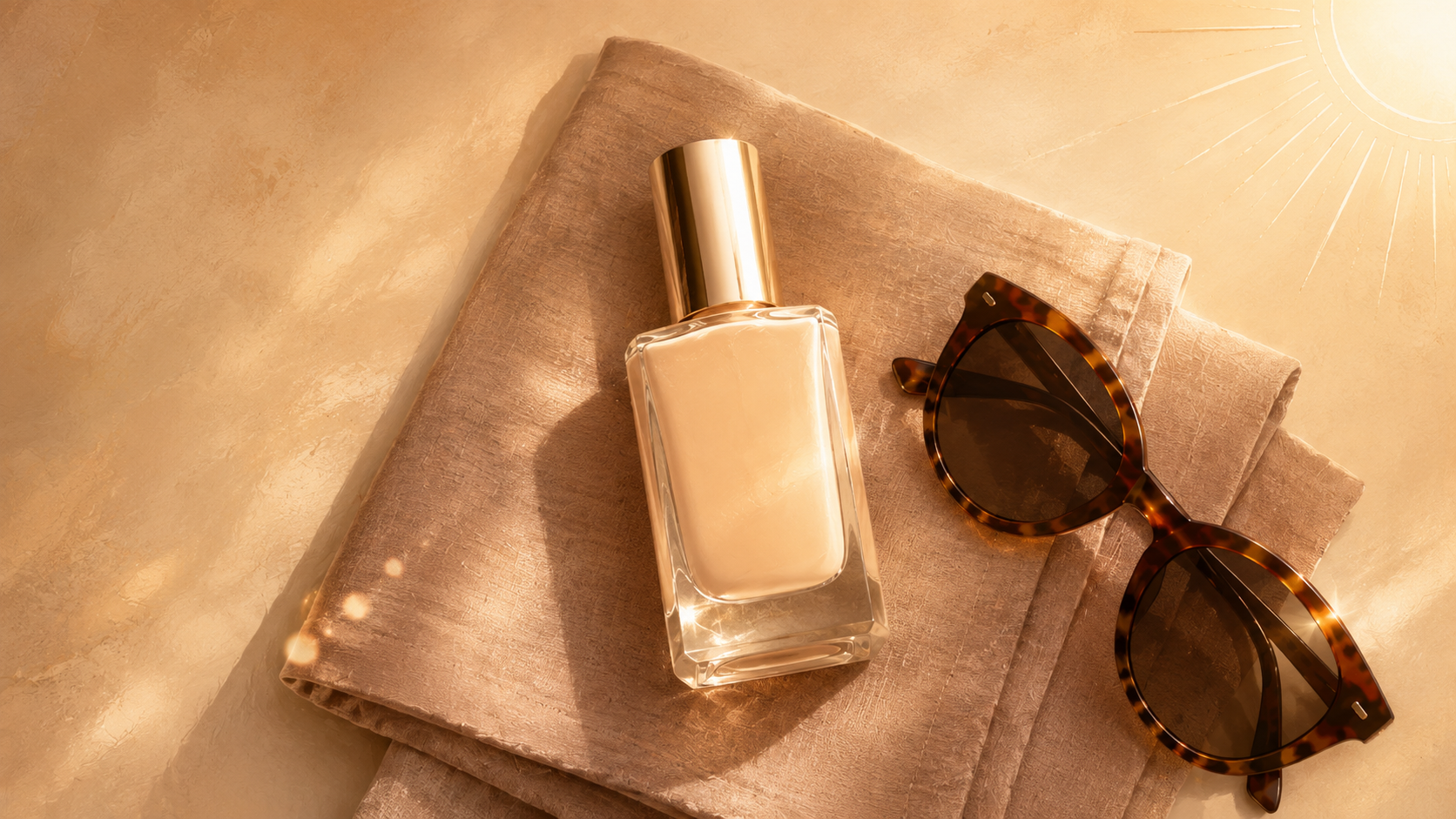
For anyone who prefers a physical formula but doesn't want the chalky, white-cast finish older mineral sunscreens were known for, this is exactly the gap the Natural Physical SPF 50 Primer was built to close — a mineral, zinc oxide–based formula with a sheer, velvety finish that layers under makeup instead of sitting on top of it.
Listen to the full episode to hear the complete breakdown, including the FDA's new SPF labeling caps and what to actually look for on a sunscreen ingredient list.
Listen to the full episode → Podcast Episode
Join the Facially Conscious Substack for extended content and deeper dives → Facially Conscious Substack
Read Trina's personal take on this episode, as the esthetician in the room → Trina's Substack , https://linktr.ee/trinareneaskincare
The Skin Master
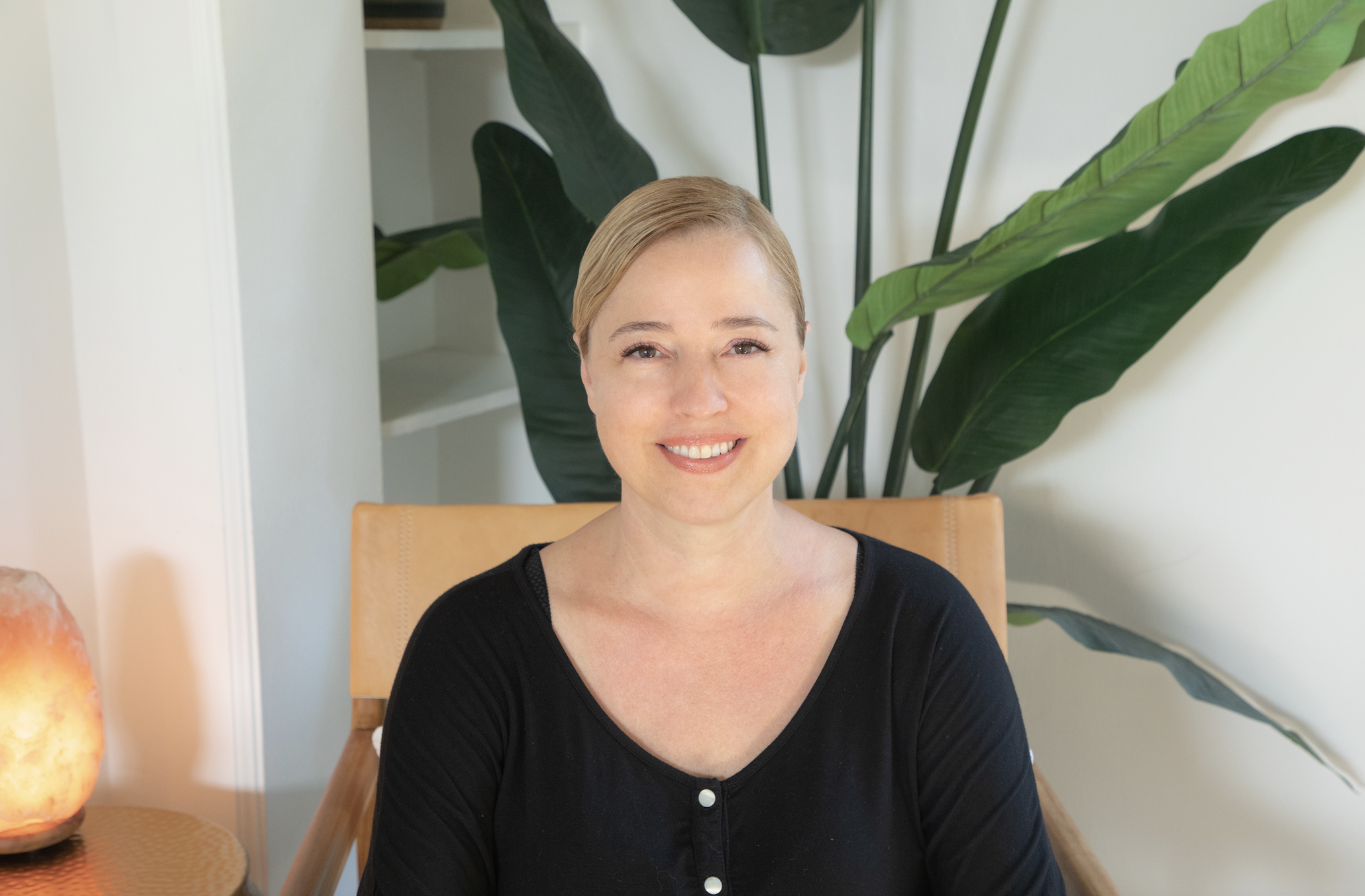
Co-host | When Trina Renea became an esthetician she realized the key to success was lifelong learning - a goal that sets her apart from most skin care practitioners.
For over 30 years, she’s explored the fields of cosmetic chemistry, medical esthetics, dermatology, and plastic surgery, becoming an expert in a wide expanse of professional skin care brands, equipment, and treatments. She is a member of the Society of Cosmetic Chemists with three certifications in cosmetic sciences from UCLA and continues to attend spa, medical, esthetic, and scientific conferences worldwide.
Now considered a skin master due to her broad expertise, Trina is a consultant to the Southern California beauty industry and medical esthetic community, selecting and training staff, developing treatments, guiding product selection, and helping professionals best serve their clients.
In 2004, she founded the Facial Bungalow, a clinical spa offering advanced skin care technologies where she continues to work one-on-one with clients to this day. In 2008 she created Trina Renea Skincare.
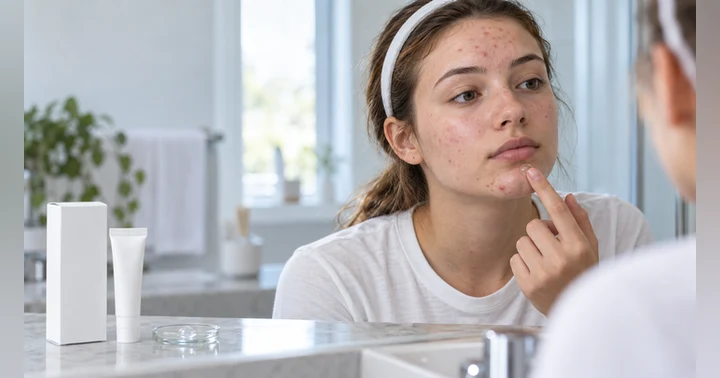
Is Prescription Acne Treatment Now OTC?