
Rebooting the Biome with authors, Dr. Doris Day M.D. and Thomas M. Hitchcock, Ph.D

The term “skin microbiome” is appearing everywhere—from dermatology journals to skincare product labels promising “microbiome-friendly” formulas. Yet many professionals and skincare-curious consumers still ask the same question:
What does supporting the skin microbiome actually mean for healthy skin?
In this episode of the Facially Conscious podcast, our hosts explore this growing topic through the lens of dermatology, esthetics, and scientific research with insights from Dr. Doris Day, M.D., and Thomas M. Hitchcock, Ph.D., authors of Rebooting the Biome.
The conversation moves beyond product marketing and into the deeper science of how microbial balance, immune signaling, and whole-body health influence the skin.
Understanding the Skin Microbiome
The skin microbiome refers to the vast community of microorganisms—including bacteria, fungi, viruses, and mites—that live on the skin’s surface.
Rather than being harmful, many of these organisms are essential partners in maintaining skin health.
Healthy skin functions as an ecosystem, where microbes interact with:
- the skin barrier (stratum corneum)
- sebum and lipids
- immune cells
- environmental factors
This delicate balance is often described through the concept of the holobiont—the idea that humans and their microbial communities function together as a single biological system.
When the microbiome is balanced, these organisms help regulate inflammation, protect against pathogens, and support normal skin function.
When Microbial Balance Is Disrupted
Problems arise when the microbial ecosystem shifts into dysbiosis, meaning the natural balance of organisms is disturbed.
Dysbiosis has been linked to several common inflammatory skin conditions, including:
- Acne
- Rosacea
- Eczema
- Atopic dermatitis
For example:
- Certain Cutibacterium acnes ribotypes may contribute to acne inflammation.
- Overgrowth of Staphylococcus aureus can worsen eczema.
- Changes in Demodex populations have been associated with rosacea.
These conditions highlight an important shift in thinking:
Skin disease is not always caused by the presence of microbes, but often by changes in microbial balance.
The Role of the Immune System
The immune system plays a central role in maintaining harmony within the skin microbiome.
Skin microbes communicate with immune cells through signaling molecules such as:
- cytokines
- interleukins (including IL-10)
- antimicrobial peptides
These signals help determine whether the skin responds with tolerance or inflammation.
When microbial diversity decreases, or pathogenic organisms dominate, immune responses can become exaggerated—leading to redness, breakouts, or chronic irritation.
Understanding this interaction is reshaping how dermatologists and estheticians think about treatment strategies.
The Gut–Brain–Skin Axis
One of the most fascinating areas discussed in the episode is the gut–brain–skin axis (GBS).
This concept describes how three major systems communicate with one another:
- the gut microbiome
- the nervous system
- the skin’s immune environment
Imbalances in the gut—such as SIBO or altered microbial diversity—can influence systemic inflammation, which in turn may appear on the skin.
Stress also plays a role. The brain’s stress response can alter immune signaling and sebum production, indirectly affecting microbial balance on the skin’s surface.
The takeaway: skin health rarely exists in isolation.
How Skincare Products Affect the Microbiome
Modern skincare treatments can be incredibly effective—but they also influence the skin ecosystem.
Common active ingredients such as:
- benzoyl peroxide
- retinoids (Retin-A, isotretinoin)
- antibacterial agents
can reduce microbial populations when used aggressively or chronically.
While these ingredients remain important clinical tools, the conversation around the microbiome encourages a more balanced perspective.
Instead of eliminating microbes, the goal may be supporting a resilient microbial community.
What “Microbiome-Friendly” Skincare Means
As microbiome science grows, many products now claim to be “biome-friendly.”
These formulations aim to support the skin ecosystem by:
- protecting microbial diversity
- maintaining appropriate pH
- avoiding unnecessary antimicrobial disruption
- supporting the skin barrier
Some research is also exploring skin-native probiotics, bacteriophages, and microbiome-based therapeutics, including innovations from companies like Xycrobe Therapeutics.
While this area continues to evolve, it reflects a broader shift toward working with the skin’s biology rather than against it.
Why Skincare Must Remain Individualized
Perhaps the most important message from the conversation is that there is no universal microbiome strategy.
Every person’s skin ecosystem is shaped by factors including:
- genetics
- environment
- diet
- stress
- skincare habits
- microbial exposure
This means that treatments—whether medical or esthetic—must remain personalized and adaptable.
Supporting the microbiome is not about abandoning active ingredients or clinical treatments. Instead, it involves thoughtful integration of science, skincare, and lifestyle factors.
Key Takeaways from the Episode
Healthy skin is an ecosystem.
Microorganisms, immune responses, and environmental factors all interact to maintain balance.
Microbial diversity matters.
Disruptions in the microbiome may contribute to inflammatory skin conditions.
Internal health influences the skin.
The gut–brain–skin axis highlights the connection between digestion, stress, immunity, and skin health.
Skincare choices affect microbial balance.
Even beneficial treatments should be used thoughtfully to avoid long-term disruption.
Personalization is essential.
Each person’s microbiome is unique, making individualized skincare strategies crucial.
Listen to the Full Conversation
In this episode of Facially Conscious, our hosts explore these ideas in greater depth with insights from Rebooting the Biome and decades of dermatology and skincare expertise.
If you’re interested in understanding how microbiome science may reshape the future of skincare, this conversation offers a thoughtful and balanced perspective.
Listen to the full episode to explore:
- emerging microbiome research
- practical implications for skincare routines
- the intersection of dermatology, esthetics, and whole-body health
Have a question? Send us an email at info@faciallyconscious.co
LIKE, FOLLOW & REVIEW US ON INSTAGRAM, & WHERE YOU LISTEN TO PODCASTS!
Visit our website www.faciallyconscious.com
Linktree | Facially Conscious
Join our new Patreon and Substack for more content from Facially Conscious
Follow Our Hosts On Instagram
Trina Renea - Medically-trained master esthetician and celebrities’ secret weapon
Linktree | Trina Renea, @trinareneaskincare, trinarenea.com and Substack
Julie Falls- Our educated consumer is here to represent you! @juliefdotcom
Dr. Vicki Rapaport -Board Certified dermatologist with practices in Beverly Hills and Culver City @rapaportdermatology and https://www.rapdermbh.com/
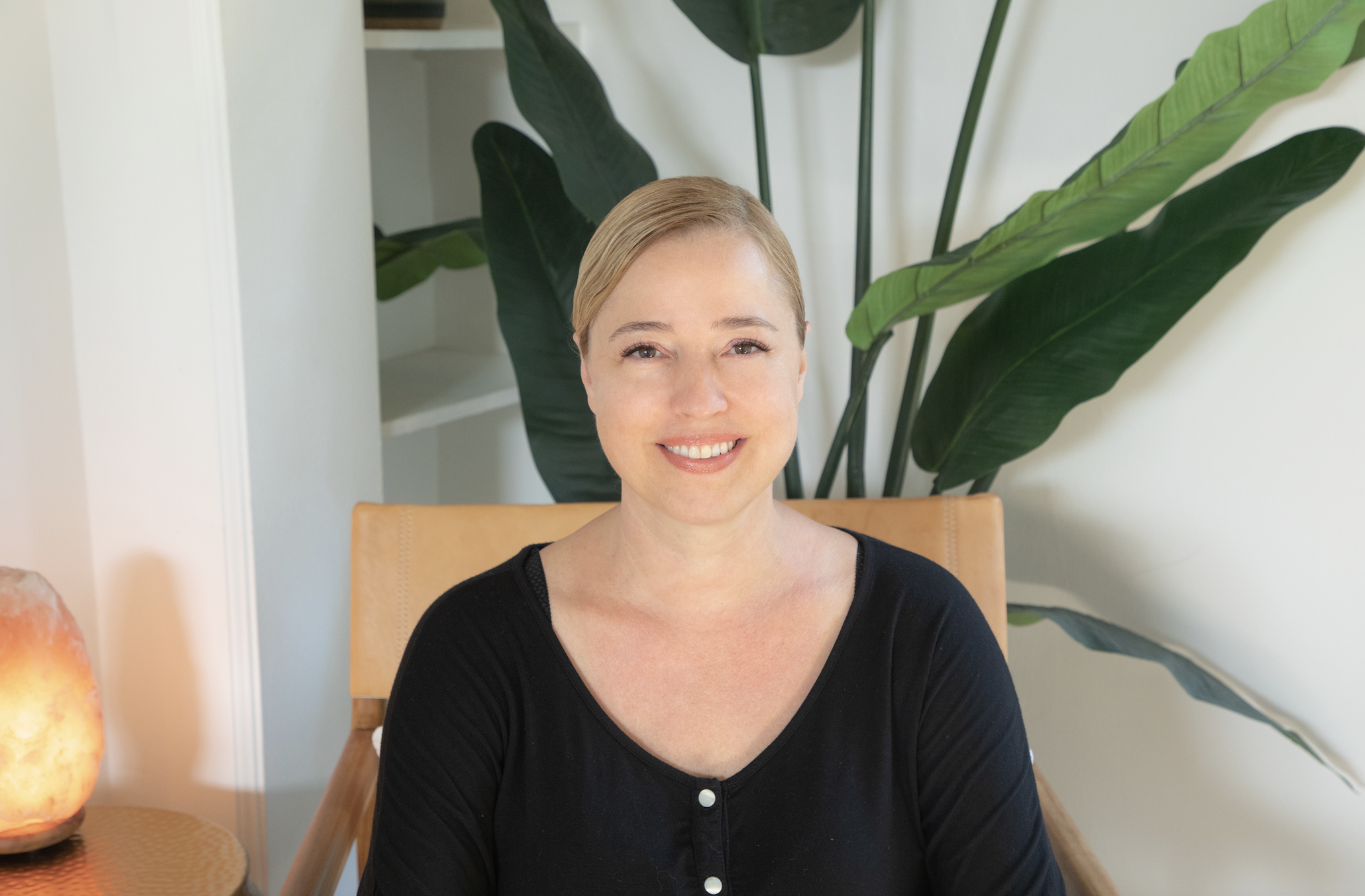
The Skin Master
Co-host | When Trina Renea became an esthetician she realized the key to success was lifelong learning - a goal that sets her apart from most skin care practitioners.
For over 30 years, she’s explored the fields of cosmetic chemistry, medical esthetics, dermatology, and plastic surgery, becoming an expert in a wide expanse of professional skin care brands, equipment, and treatments. She is a member of the Society of Cosmetic Chemists with three certifications in cosmetic sciences from UCLA and continues to attend spa, medical, esthetic, and scientific conferences worldwide.
Now considered a skin master due to her broad expertise, Trina is a consultant to the Southern California beauty industry and medical esthetic community, selecting and training staff, developing treatments, guiding product selection, and helping professionals best serve their clients.
In 2004, she founded the Facial Bungalow, a clinical spa offering advanced skin care technologies where she continues to work one-on-one with clients to this day. In 2008 she created Trina Renea Skincare.

A Plastic Surgeon’s Honest Perspective: Fillers, Lip Lifts, Threads, and What’s Actually Happening Inside Your Face


