The Honest Truth About Plastic Surgery: Expectations, Psychology, and Real Results with Dr. Brandyn Dunn

Why Conversations About Plastic Surgery Often Miss the Most Important Part
Plastic surgery is often framed around before-and-after photos, trending procedures, or dramatic transformations. But the deeper questions—why someone chooses surgery, what realistic results look like, and how expectations shape satisfaction—are rarely discussed openly.
For patients and professionals alike, understanding the psychology of plastic surgery is just as important as understanding the procedure itself.
In this episode of the Facially Conscious Podcast, facial plastic surgeon Dr. Brandyn Dunn joins our hosts to explore the honest realities behind cosmetic procedures. Together, they discuss how surgeons evaluate patients, why expectations matter so much in surgical outcomes, and what the recovery process truly involves.
The conversation offers insight not only for people considering surgery, but also for doctors, nurses, estheticians, and skincare professionals who guide patients through aesthetic decisions every day.
The Psychology Behind Cosmetic Surgery Decisions
Why Surgeons Evaluate More Than Just Physical Features
According to Dr. Dunn, evaluating a cosmetic surgery patient involves two essential perspectives.
1. The Physical Perspective
A surgeon must assess:
- Skin quality and texture
- Facial structure and anatomy
- Age and lifestyle factors
- The specific aesthetic concern
These clinical factors determine what procedures may be appropriate and what results are realistically achievable.
2. The Psychological Perspective
Equally important is understanding the person behind the request.
Surgeons must consider:
- The patient’s motivation for surgery
- Their expectations about results
- Their emotional state and support system
- Their stage of life and personal circumstances
Plastic surgery is elective, meaning it’s chosen rather than medically necessary. Because of this, the emotional context surrounding the decision plays a significant role in whether patients feel satisfied afterward.
The Importance of Realistic Expectations
The 80/20 Rule in Plastic Surgery
One concept Dr. Dunn shares is a principle many surgeons use when discussing expectations with patients.
If someone is unhappy with 80% of photos taken of them and only satisfied with 20%, surgery may help shift that balance.
The goal of cosmetic surgery is not perfection.
Instead, a successful outcome often means reversing that ratio, where the patient feels good about how they look in most situations while still recognizing that no angle or image will ever be flawless.
This concept helps patients understand an important truth:
Plastic surgery improves features, but it does not create perfection.
Why Patient–Doctor Chemistry Matters
Choosing a Plastic Surgeon Is Not Only About Credentials
Technical skill is essential, but so is communication.
A strong patient–doctor relationship allows for:
- Honest conversations about expectations
- Clear explanations of procedures and risks
- Trust during the recovery process
If a patient feels uncomfortable or unheard during consultation, it may be wise to seek additional opinions before moving forward.
Comfort, trust, and communication can significantly influence both the experience and the final outcome of surgery.
When Expectations and Outcomes Don’t Align
One challenge within cosmetic surgery is when expectations are not clearly defined from the beginning.
Patients sometimes expect:
- Perfect symmetry
- Dramatic transformation
- Immediate final results
But even with technically successful procedures, dissatisfaction can occur when expectations are unrealistic.
Dr. Vicki explains that patients occasionally return seeking additional procedures to correct results that were actually within normal expectations.
This highlights why clear pre-operative education is one of the most important responsibilities of a plastic surgeon.
Understanding the Recovery Timeline
Healing Takes Time
Recovery is often misunderstood.
While many people focus on the procedure itself, the healing process plays a major role in final results.
Typical timelines include:
- General facial plastic surgery: 3–6 months for healing and refinement
- Rhinoplasty: up to 12–18 months for full results
Swelling, tissue settling, and subtle structural changes occur gradually.
Patients who understand this timeline are far more likely to feel comfortable during recovery and satisfied with their long-term results.
The Role of Aftercare in Cosmetic Surgery
Another critical but often overlooked aspect of surgery is ongoing follow-up care.
Most procedures include:
- Post-operative visits
- Suture removal
- Monitoring healing progress
- Guidance during recovery
These services are typically included in the original surgical cost and are essential for patient safety and satisfaction.
Equally important is access to the surgeon for questions or concerns during recovery.
Relying on internet advice, friends, or other practitioners during healing can sometimes lead to confusion or misinformation.
Direct communication with the operating surgeon is always best.
Body Dysmorphia and Cosmetic Surgery
A small percentage of patients seeking cosmetic surgery struggle with body dysmorphic disorder (BDD) or other psychological challenges.
In these cases, surgery rarely resolves the underlying concern.
Because patients themselves may not recognize this condition, identifying potential psychological risks is the surgeon’s responsibility.
Ethical surgeons must evaluate whether surgery will genuinely benefit the patient before proceeding.
The Future of Plastic Surgery: Technology and AI
Emerging technologies may soon change how surgeons communicate potential outcomes.
Dr. Dunn and the hosts discuss how AI-assisted imaging and morphing technology could improve consultations by showing more accurate predictions of surgical results.
These tools may help patients better understand:
- Potential outcomes
- Limitations of procedures
- Realistic expectations before surgery
While technology cannot replace professional judgment, it may enhance communication between surgeons and patients.
The Cosmetic Surgery Paradox
One fascinating cultural shift is what Dr. Dunn calls the cosmetic surgery paradox.
Social media has made cosmetic procedures more visible and widely discussed. At the same time, society has also become more accepting of natural appearance and self-acceptance.
These two ideas now coexist:
- People feel more comfortable embracing their natural features
- People also feel less stigma about choosing cosmetic surgery
Ultimately, the consensus among our hosts is simple:
Individuals should feel free to make personal choices about their appearance without judgment.
Key Takeaways from This Episode
- Plastic surgery involves both physical and psychological evaluation.
- Realistic expectations are one of the most important factors in patient satisfaction.
- Recovery timelines can be longer than many people expect.
- Communication and trust between patient and surgeon are essential.
- Ethical surgeons evaluate emotional motivations before performing procedures.
- Technology may soon improve how surgical outcomes are visualized.
Listen to the Full Episode
This conversation with Dr. Brandyn Dunn explores the realities of plastic surgery with honesty and depth—from expectations and psychology to recovery and patient education.
For anyone considering cosmetic procedures—or for professionals guiding patients through aesthetic decisions—this episode offers valuable insight.
🎧 Listen to the full episode of the Facially Conscious Podcast to hear the complete discussion and expert perspectives.
Have a question? Send us an email at info@faciallyconscious.co
LIKE, FOLLOW & REVIEW US ON INSTAGRAM, & WHERE YOU LISTEN TO PODCASTS!
Visit our website www.faciallyconscious.com
Linktree | Facially Conscious
Join our new Patreon and Substack for more content from Facially Conscious
Follow Our Hosts On Instagram
Trina Renea - Medically-trained master esthetician and celebrities’ secret weapon
Linktree | Trina Renea, @trinareneaskincare, trinarenea.com and Substack
Julie Falls- Our educated consumer is here to represent you! @juliefdotcom
Dr. Vicki Rapaport -Board Certified dermatologist with practices in Beverly Hills and Culver City @rapaportdermatology and https://www.rapdermbh.com/
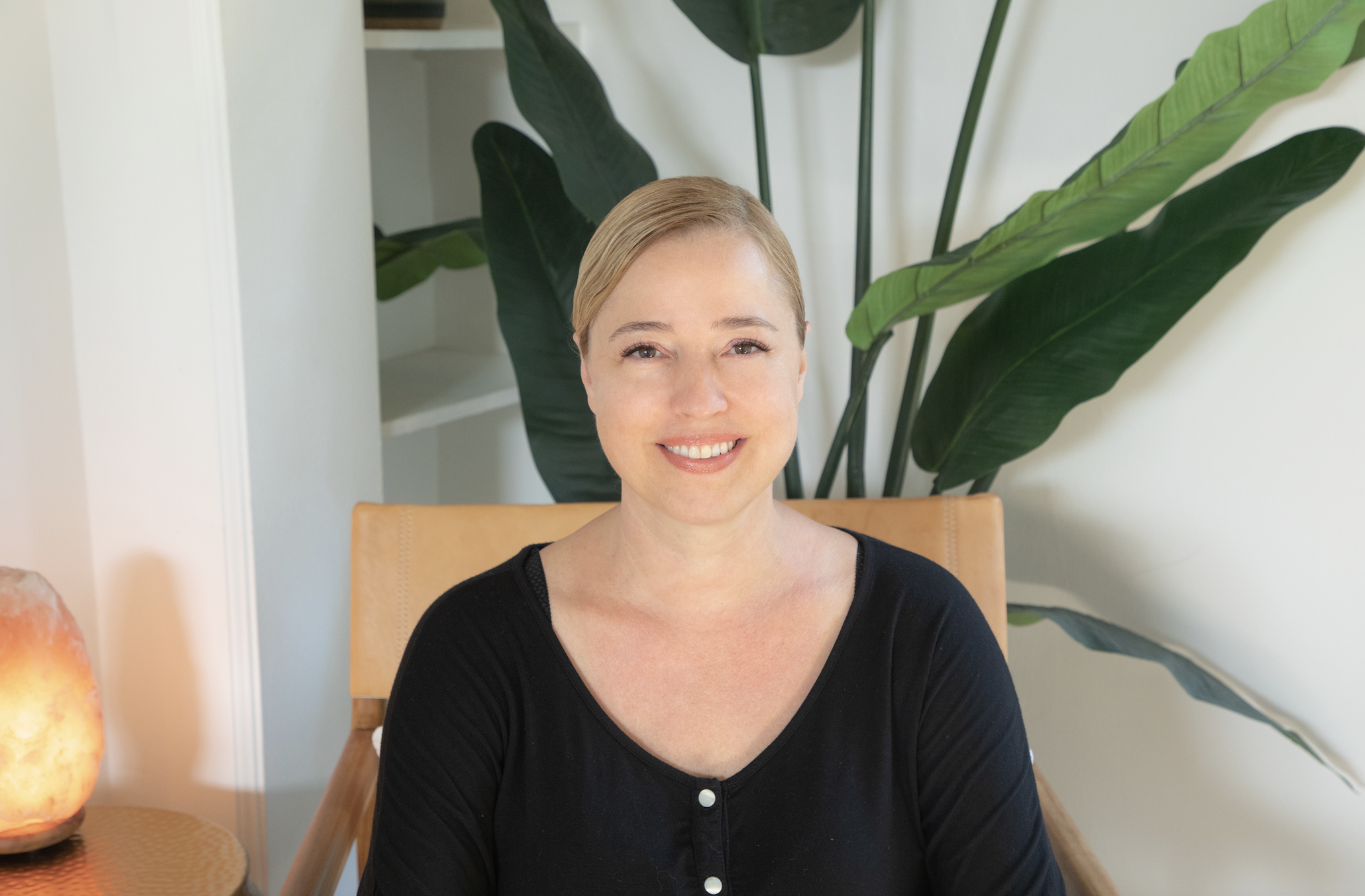
The Skin Master
Co-host | When Trina Renea became an esthetician she realized the key to success was lifelong learning - a goal that sets her apart from most skin care practitioners.
For over 30 years, she’s explored the fields of cosmetic chemistry, medical esthetics, dermatology, and plastic surgery, becoming an expert in a wide expanse of professional skin care brands, equipment, and treatments. She is a member of the Society of Cosmetic Chemists with three certifications in cosmetic sciences from UCLA and continues to attend spa, medical, esthetic, and scientific conferences worldwide.
Now considered a skin master due to her broad expertise, Trina is a consultant to the Southern California beauty industry and medical esthetic community, selecting and training staff, developing treatments, guiding product selection, and helping professionals best serve their clients.
In 2004, she founded the Facial Bungalow, a clinical spa offering advanced skin care technologies where she continues to work one-on-one with clients to this day. In 2008 she created Trina Renea Skincare.
Is Prescription Acne Treatment Now OTC?