The Psychology of Laser Treatments: Setting Realistic Expectations in Aesthetic Skincare

Why Laser Treatments Often Lead to Confusion
Laser treatments are often viewed as a definitive solution for skin concerns—from pigmentation and texture to aging and scarring. Yet one of the most common challenges in aesthetic skincare is the gap between what patients expect and what treatments can realistically deliver.
This tension is not just clinical—it’s psychological.
In this episode of the Facially Conscious podcast, hosts Trina Renea, Dr. Vicki Rapaport, Rebecca Gadberry, and Julie Falls are joined by dermatologist Dr. James Wang to explore how expectations are formed, why results vary, and what both patients and providers need to understand before moving forward with laser treatments.
The Psychology Behind Patient Expectations
Where Expectations Come From
Patients rarely walk into a consultation without preconceived ideas. These expectations are often shaped by:
- Social media and curated before-and-after images
- Online reviews and anecdotal experiences
- Previous treatments (positive or negative)
- Cultural and generational beauty standards
While access to information has empowered patients, it has also introduced distorted perceptions of what is achievable.
Dr. Wang emphasizes that expectations are not inherently problematic—but unexamined expectations are.
The Risk of “Perfect Skin” Thinking
One of the most persistent misconceptions in aesthetic medicine is the idea that laser treatments can deliver flawless, uniform results.
In reality:
- Skin responds differently based on biology
- Healing and collagen production vary significantly
- Multiple sessions are often required
- Outcomes improve, but rarely “perfect”
Key Insight:
Laser treatments are tools for improvement—not guarantees of transformation.
Why Laser Treatment Results Vary
Individual Biology Matters
No two patients respond identically to the same laser protocol. Outcomes depend on:
- Skin type and condition
- Age and hormonal influences
- Inflammatory response and healing capacity
- Consistency with aftercare
This variability is often underestimated, leading to mismatched expectations.
There Is No “One-Size-Fits-All” Laser
Despite how treatments are marketed, there is no universal solution.
Different technologies (such as IPL, resurfacing lasers, or radiofrequency-based devices) serve different purposes. Even within the same category, results depend heavily on:
- Device settings
- Provider expertise
- Treatment planning over time
Clinical Reality:
Customization—not standardization—is what drives better outcomes.
The Consultation: Where Outcomes Are Really Shaped
Why Consultation Determines Success
According to Dr. Wang, a significant portion of treatment success begins before any procedure is performed.
A strong consultation should:
- Explore the patient’s goals and motivations
- Clarify what outcomes are realistically achievable
- Identify mismatches between expectations and clinical reality
- Build trust through transparent communication
In many ways, the consultation is less about selling a treatment and more about aligning understanding.
Communication Over Assumption
Misalignment often occurs when:
- Patients hesitate to voice concerns
- Providers assume understanding without verification
- Language is overly technical or overly simplified
The most effective providers create space for questions and ensure patients feel informed, not persuaded.
Pricing, Packages, and Perceived Value
Treatment packages are common in aesthetic practices, often offering multiple sessions at a reduced cost. While practical, they can unintentionally:
- Create expectations of guaranteed results
- Encourage commitment before full understanding
- Shift focus from outcomes to pricing
Dr. Wang highlights the importance of discussing:
- Expected number of sessions
- Realistic timelines for improvement
- Financial considerations alongside clinical goals
Best Practice:
Decisions should be guided by clarity—not urgency or incentives.
Age, Gender, and Emotional Factors in Treatment Decisions
Generational Influences
Younger patients—particularly Millennials and Gen Z—often approach laser treatments with expectations shaped by:
- Rapid-result culture
- Visual platforms like Instagram and TikTok
- Preventative skincare trends
Older patients may focus more on gradual improvement and maintenance.
Anxiety Over Demographics
Interestingly, emotional factors—especially anxiety—often play a larger role than age or gender.
Patients may worry about:
- Pain or downtime
- Unexpected outcomes
- Wasted investment
Acknowledging these concerns openly can significantly improve both the experience and the outcome.
Key Takeaways: What Patients and Providers Should Remember
- Laser treatments improve skin—they don’t perfect it
- Results vary based on individual biology and treatment planning
- Consultation is the foundation of successful outcomes
- Clear communication prevents disappointment
- Informed decisions always outperform impulsive ones
A More Thoughtful Approach to Aesthetic Treatments
The most successful aesthetic journeys are not defined by dramatic transformations, but by alignment—between expectations, clinical expertise, and patient understanding.
This conversation from Facially Conscious reinforces a critical idea:
Skincare is not just about treatments—it’s about perspective.
Have a question? Send us an email at info@faciallyconscious.co
LIKE, FOLLOW & REVIEW US ON INSTAGRAM, & WHERE YOU LISTEN TO PODCASTS!
Visit our website www.faciallyconscious.com
Linktree | Facially Conscious
Join our new Patreon and Substack for more content from Facially Conscious
Follow Our Hosts On Instagram
Trina Renea - Medically-trained master esthetician and celebrities’ secret weapon
Linktree | Trina Renea, @trinareneaskincare, trinarenea.com and Substack
Julie Falls- Our educated consumer is here to represent you! @juliefdotcom
Dr. Vicki Rapaport -Board Certified dermatologist with practices in Beverly Hills and Culver City @rapaportdermatology and https://www.rapdermbh.com/
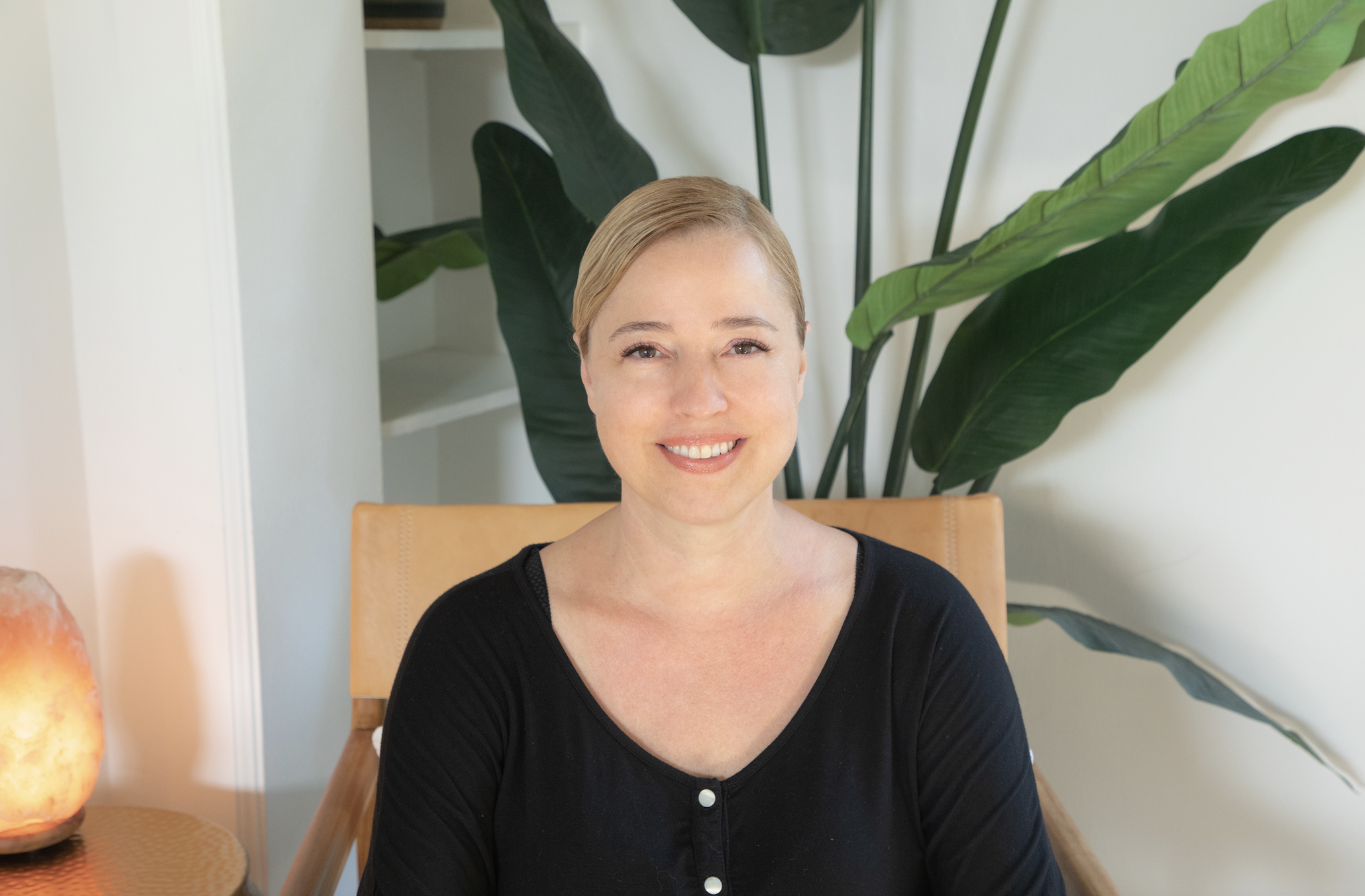
The Skin Master
Co-host | When Trina Renea became an esthetician she realized the key to success was lifelong learning - a goal that sets her apart from most skin care practitioners.
For over 30 years, she’s explored the fields of cosmetic chemistry, medical esthetics, dermatology, and plastic surgery, becoming an expert in a wide expanse of professional skin care brands, equipment, and treatments. She is a member of the Society of Cosmetic Chemists with three certifications in cosmetic sciences from UCLA and continues to attend spa, medical, esthetic, and scientific conferences worldwide.
Now considered a skin master due to her broad expertise, Trina is a consultant to the Southern California beauty industry and medical esthetic community, selecting and training staff, developing treatments, guiding product selection, and helping professionals best serve their clients.
In 2004, she founded the Facial Bungalow, a clinical spa offering advanced skin care technologies where she continues to work one-on-one with clients to this day. In 2008 she created Trina Renea Skincare.

Do You Really Need Sunscreen Every Day? Answering the Questions People Actually Ask