What Actually Causes Cellulite? A Cosmetic Chemist and Esthetician Explain the Science Behind Treatments
Cellulite is one of the most common skin concerns discussed in dermatology offices, esthetic practices, and skincare forums — yet it remains widely misunderstood. Many people wonder whether cellulite is caused by fat, poor circulation, lymphatic issues, or simply aging skin. At the same time, countless creams and treatments promise smoother skin, leaving consumers unsure what actually works.
In this episode of the Facially Conscious podcast, cosmetic chemist Rebecca Gadberry and master esthetician Trina Renea explore the science behind cellulite. Their discussion looks beyond marketing claims to examine how cellulite forms, how skincare ingredients interact with the skin, and where topical products fit into the larger conversation about treatment.
The result is a grounded, interdisciplinary look at a topic that affects the majority of people — but is often discussed without clarity.
What Is Cellulite, Really?
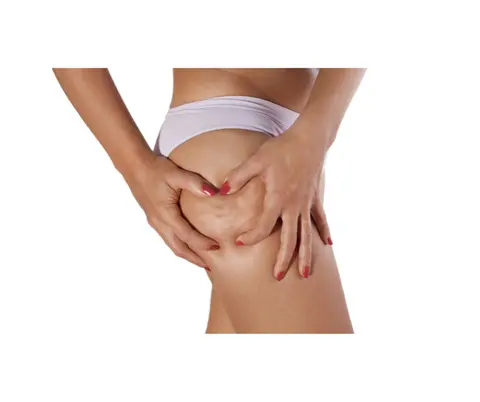
Cellulite refers to the dimpled or uneven appearance of skin, most commonly seen on the thighs, hips, and buttocks. It occurs when underlying fat deposits push upward against connective tissue bands that anchor the skin.
Several factors influence how visible cellulite becomes:
- Structure of connective tissue beneath the skin
- Distribution and size of fat cells
- Skin thickness and elasticity
- Hormonal influences
- Genetics
Because these structural components vary from person to person, cellulite severity and appearance can differ significantly, even among individuals with similar body composition.
As Rebecca Gadberry explains in the conversation, cellulite has been discussed in skincare for decades — even down to how the word itself is pronounced. Historically referred to as “celluLEET” in some early product marketing, the modern American pronunciation of “cellulite” eventually became standard.
But while terminology evolved, the underlying biological mechanisms remained the same.
Do Cellulite Creams Actually Work?
One of the most common questions in skincare is whether topical cellulite products can meaningfully improve the appearance of dimpling.
According to Rebecca Gadberry, the answer depends largely on expectations and cellulite severity.
Topical formulations may help:
- Improve skin firmness
- Temporarily tighten or smooth skin texture
- Reduce fluid retention in tissue
- Support skin renewal and elasticity
However, deeper structural cellulite — particularly where connective tissue bands are strongly tethered — typically requires professional treatments such as energy-based therapies, injectables, or mechanical interventions.
Topical products, therefore, are best understood as supportive treatments rather than complete solutions.
Key Ingredients Commonly Used in Cellulite Products
From a cosmetic chemistry perspective, certain ingredient categories have historically been used in cellulite formulations because of how they interact with skin and tissue.
Methylxanthines
A major group of ingredients used in cellulite products are methylxanthines, which include:
- Caffeine
- Aminophylline
- Theophylline
- Theobromine
These compounds are believed to help stimulate lipolysis, a process that encourages fat cells to release stored fatty acids. While topical penetration and overall impact are limited, these ingredients may help temporarily reduce the appearance of fullness in fat cells, which can improve surface texture.
Caffeine remains one of the most widely used ingredients in cellulite creams because of its vasoconstrictive and tightening effects on the skin.
Retinoids
Another category often included in cellulite formulations is retinoids, such as:
- Retinaldehyde
- other vitamin A derivatives
Retinoids help support:
- collagen production
- skin thickening
- improved skin texture
Over time, increased dermal thickness may make cellulite less visually pronounced, even though it does not change the underlying fat structure.
Botanical and Supporting Ingredients
Many cellulite formulations also incorporate plant extracts and supportive ingredients, including:
- Green coffee bean extract
- Cocoa-derived compounds
- Laminaria digitata (seaweed extract)
- Bisabolol for soothing
- Humectants such as propanediol
These ingredients may contribute to hydration, circulation support, or skin conditioning, which can influence the overall appearance of the treated area.
Some formulations also use delivery systems such as liposomes or penetration enhancers like ethoxydiglycol to help active ingredients move more effectively into the skin.
Why Consistency Matters With Topical Treatments
Even when formulations contain effective ingredients, results require consistent application.
Rebecca Gadberry emphasizes that cellulite products typically work best when:
- Applied regularly over extended periods
- Used on well-prepared, clean skin
- Combined with massage or circulation-stimulating techniques
Because many topical ingredients produce temporary improvements, results often diminish once use stops.
This is why many professionals view cellulite creams as maintenance products rather than permanent treatments.
Potential Side Effects and Considerations
As with any skincare product containing active ingredients, cellulite creams can occasionally cause irritation.
Possible considerations include:
- Skin sensitivity from stimulants or retinoids
- Temporary redness or warmth
- individual variation in ingredient tolerance
Products containing stronger methylxanthines such as aminophylline or theophylline may require extra care for individuals with sensitive skin.
Monitoring skin response and selecting well-formulated products is essential.
A Balanced Perspective on Cellulite Treatment
One of the most valuable takeaways from this discussion is the importance of realistic expectations.
Cellulite is not a flaw or disease — it is a structural characteristic of skin and connective tissue that affects a large percentage of people.
Different approaches may improve its appearance to varying degrees:
- Topical skincare products
- professional aesthetic treatments
- skin-strengthening ingredients
- massage or circulation techniques
Understanding where each option fits allows individuals to make more informed decisions without unrealistic promises.
Have a question? Send us an email at info@faciallyconscious.co
LIKE, FOLLOW & REVIEW US ON INSTAGRAM, & WHERE YOU LISTEN TO PODCASTS!
Visit our website www.faciallyconscious.com
Linktree | Facially Conscious
Join our new Patreon and Substack for more content from Facially Conscious
Follow Our Hosts On Instagram
Trina Renea - Medically-trained master esthetician and celebrities’ secret weapon
Linktree | Trina Renea, @trinareneaskincare, trinarenea.com and Substack
Julie Falls- Our educated consumer is here to represent you! @juliefdotcom
Dr. Vicki Rapaport -Board Certified dermatologist with practices in Beverly Hills and Culver City @rapaportdermatology and https://www.rapdermbh.com/

The Skin Master
Co-host | When Trina Renea became an esthetician she realized the key to success was lifelong learning - a goal that sets her apart from most skin care practitioners.
For over 30 years, she’s explored the fields of cosmetic chemistry, medical esthetics, dermatology, and plastic surgery, becoming an expert in a wide expanse of professional skin care brands, equipment, and treatments. She is a member of the Society of Cosmetic Chemists with three certifications in cosmetic sciences from UCLA and continues to attend spa, medical, esthetic, and scientific conferences worldwide.
Now considered a skin master due to her broad expertise, Trina is a consultant to the Southern California beauty industry and medical esthetic community, selecting and training staff, developing treatments, guiding product selection, and helping professionals best serve their clients.
In 2004, she founded the Facial Bungalow, a clinical spa offering advanced skin care technologies where she continues to work one-on-one with clients to this day. In 2008 she created Trina Renea Skincare.
What Happens to Your Face on GLP-1s? A Dermatologist and an Esthetician on "Ozempic Face"