Rosacea Explained: Dermatologist & Esthetician Insights for Calmer, Healthier Skin
Why Rosacea Is Often Misunderstood in Skincare
Rosacea is frequently mistaken for acne, sensitivity, or general redness—but treating it incorrectly can lead to increased inflammation and long-term skin disruption. One of the most common challenges, both for skincare professionals and individuals, is understanding where medical treatment ends and supportive skincare begins.
In this episode of Facially Conscious, our panel of experts—including a dermatologist, esthetician, and skin scientist—explores how rosacea should be approached through both clinical care and daily skin management. The goal isn’t quick fixes, but long-term balance and reduced reactivity.
What Is Rosacea? Understanding the Condition
Rosacea is a chronic inflammatory skin condition most commonly characterized by:
- Persistent facial redness
- Flushing or blushing
- Visible blood vessels (telangiectasia)
- In some cases, pustules or bumps
Unlike acne, rosacea does not involve blackheads, and its triggers and progression vary widely between individuals.
Key Insight:
There is no single presentation of rosacea—meaning treatment and skincare must be individualized, not standardized.
Dermatologist-Guided Rosacea Treatment Options
From a medical perspective, rosacea treatment typically follows a tiered and evidence-based approach.
First-Line Treatments (Topicals)
Dermatologists often begin with topical therapies designed to:
- Reduce inflammation
- Target microbial imbalance
- Address mite-related factors (in some cases)
These treatments are generally well-tolerated and form the foundation of clinical care.
Oral Medications (When Needed)
If topical treatments are not sufficient, low-dose oral medications may be introduced:
- Low-dose doxycycline (anti-inflammatory, not primarily antibacterial)
- Other oral antibiotics or medications depending on severity
For more persistent or severe cases, additional options may be considered under close supervision.
Advanced Treatments
- Laser and light therapies can help reduce visible redness and vessels
- These treatments can be effective but may not be accessible or necessary for all patients
Clinical Takeaway:
Effective rosacea management should prioritize appropriate escalation, not immediate reliance on high-cost interventions.
The Esthetician’s Role in Rosacea Management
While dermatologists address the medical side of rosacea, estheticians play a critical role in daily skin stability and prevention.
Building a Supportive Skincare Routine
For rosacea-prone skin, consistency and gentleness are key:
- Use non-irritating, barrier-supportive products
- Avoid frequent product switching
- Focus on calming, not correcting
Identifying and Managing Triggers
A practical and often overlooked tool is a trigger diary, which helps track:
- Food and beverage responses (e.g., alcohol, spicy foods)
- Environmental exposure (heat, cold, wind)
- Lifestyle patterns
Professional Treatments
- Gentle, non-invasive facials can support skin balance
- Regular treatments may help reduce reactivity over time
Ingredient Considerations
Ingredients like azelaic acid are commonly used for their ability to:
- Reduce visible redness
- Support overall skin clarity
- Work well with sensitive skin types
Esthetic Takeaway:
Rosacea care is less about intensity and more about consistency, restraint, and barrier support.
Skincare Products for Rosacea: What Actually Matters
The skincare market is saturated with products labeled for redness or sensitivity—but not all are clinically meaningful.
What to Look For:
- Formulations designed for sensitive skin
- Fragrance-free and low-irritation profiles
- Evidence-supported active ingredients
What to Be Cautious Of:
- Products with minimal active concentrations
- Marketing claims without functional benefit
- Harsh alcohols or unnecessary additives
Key Perspective from Skin Science:
Not every “soothing” ingredient provides therapeutic value—understanding formulation matters as much as ingredient selection.
Why Collaboration Matters: Dermatology + Esthetics
One of the most effective approaches to rosacea is interdisciplinary care.
When dermatologists and estheticians collaborate:
- Medical treatment is supported by daily skin management
- Clients receive both clinical and lifestyle guidance
- Care becomes more personalized and sustainable
This integrated approach helps bridge the gap between prescription treatment and real-world skin behavior.
Practical Takeaways for Managing Rosacea
- Rosacea is chronic, but manageable with the right approach
- Avoid over-treating or constantly changing products
- Track triggers to better understand individual patterns
- Seek both medical and esthetic guidance when needed
- Focus on long-term skin balance, not quick results
A Thoughtful Approach to Long-Term Skin Health
Managing rosacea isn’t about eliminating symptoms overnight—it’s about understanding your skin, reducing inflammation, and building a routine that supports stability over time.
Whether you’re a skincare professional or someone navigating persistent redness, the most effective strategies come from combining clinical insight with consistent, supportive care.
Listen to the Full Episode
For a deeper exploration of rosacea treatment options, ingredient insights, and real-world client experiences, listen to the full episode of Facially Conscious.
Gain a more complete understanding of how dermatologists, estheticians, and skin scientists approach rosacea—so you can make more informed decisions about your skin or your practice.
Have a question? Send us an email at info@faciallyconscious.co
LIKE, FOLLOW & REVIEW US ON INSTAGRAM, & WHERE YOU LISTEN TO PODCASTS!
Visit our website www.faciallyconscious.com
Linktree | Facially Conscious
Join our new Patreon and Substack for more content from Facially Conscious
Follow Our Hosts On Instagram
Trina Renea - Medically-trained master esthetician and celebrities’ secret weapon
Linktree | Trina Renea, @trinareneaskincare, trinarenea.com and Substack
Julie Falls- Our educated consumer is here to represent you! @juliefdotcom
Dr. Vicki Rapaport -Board Certified dermatologist with practices in Beverly Hills and Culver City @rapaportdermatology and https://www.rapdermbh.com/
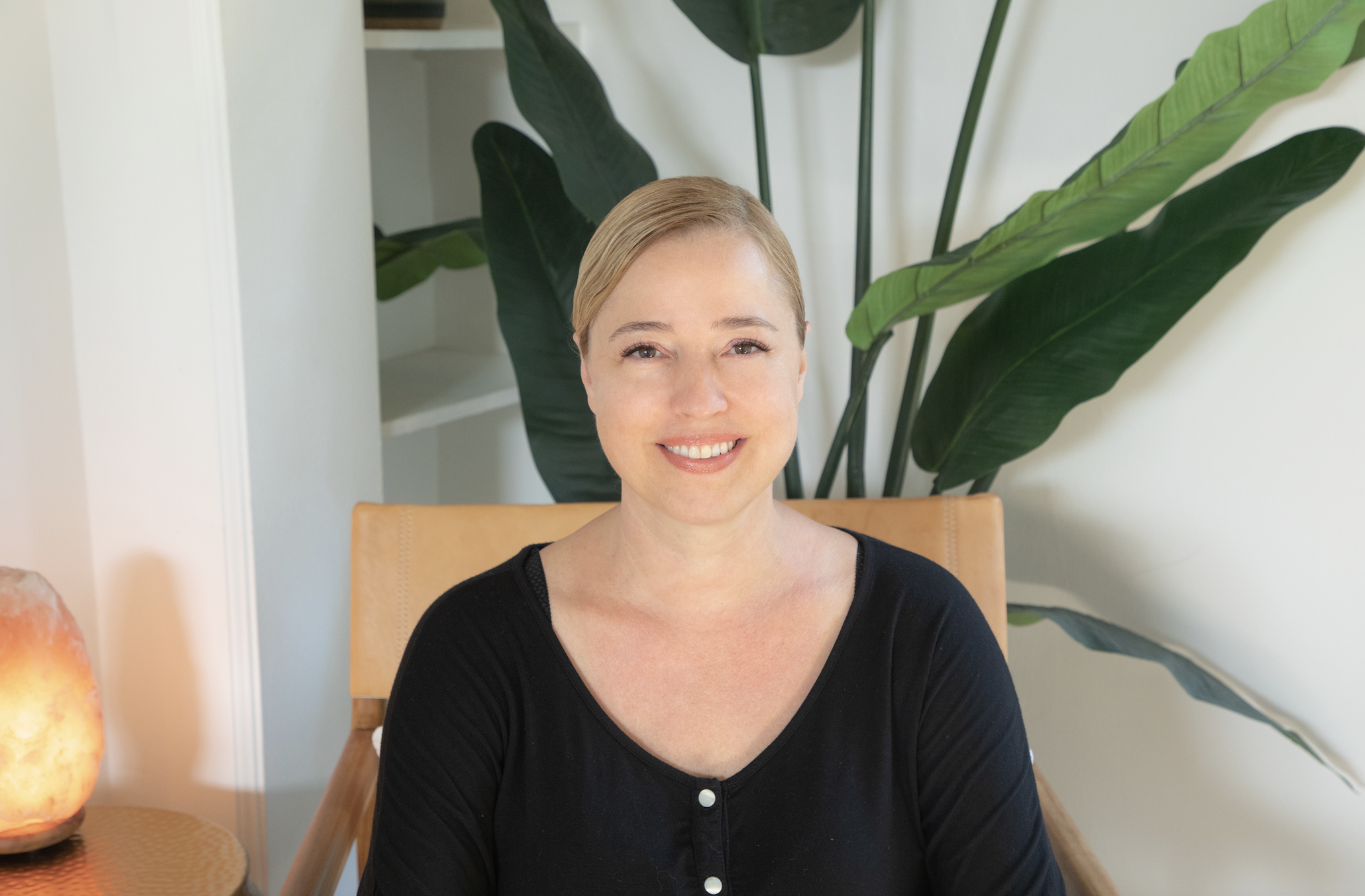
The Skin Master
Co-host | When Trina Renea became an esthetician she realized the key to success was lifelong learning - a goal that sets her apart from most skin care practitioners.
For over 30 years, she’s explored the fields of cosmetic chemistry, medical esthetics, dermatology, and plastic surgery, becoming an expert in a wide expanse of professional skin care brands, equipment, and treatments. She is a member of the Society of Cosmetic Chemists with three certifications in cosmetic sciences from UCLA and continues to attend spa, medical, esthetic, and scientific conferences worldwide.
Now considered a skin master due to her broad expertise, Trina is a consultant to the Southern California beauty industry and medical esthetic community, selecting and training staff, developing treatments, guiding product selection, and helping professionals best serve their clients.
In 2004, she founded the Facial Bungalow, a clinical spa offering advanced skin care technologies where she continues to work one-on-one with clients to this day. In 2008 she created Trina Renea Skincare.
A New Sunscreen Ingredient Is Coming. Is It Actually Better?