Rosacea Triggers Explained: What Causes Flushing, Redness, and How to Calm Sensitive Skin

Introduction: Why Rosacea Is So Difficult to Manage
Rosacea is one of the most commonly misunderstood inflammatory skin conditions—both among patients and professionals. While often simplified as “facial redness,” rosacea involves a complex interplay of vascular reactivity, barrier dysfunction, and environmental triggers.
One of the biggest challenges? What triggers flushing and irritation in one person may not affect another at all. This variability creates confusion around skincare routines, ingredient choices, and treatment approaches.
In this episode of Facially Conscious, our interdisciplinary panel—esthetician Trina Renea, dermatologist Dr. Vicki Rapaport, and cosmetic scientist Rebecca Gadberry—explores how to identify rosacea triggers, which skincare ingredients may worsen symptoms, and what actually supports calmer, more resilient skin.
Understanding Rosacea Triggers: Why Flushing Happens
Rosacea flare-ups are often driven by internal and external triggers that increase blood flow or disrupt the skin barrier. Identifying these patterns is a critical first step in long-term management.
Common Rosacea Triggers to Watch
While triggers vary, several categories consistently emerge:
- Food-related triggers
Spicy foods are frequently associated with flushing, though not universally. Individual tolerance matters. - Medications and vasodilation
Certain medications—including corticosteroids, some asthma treatments, and artificial sweeteners—may increase blood flow and trigger redness. - Hormonal fluctuations
Changes related to menopause, birth control, or hormone therapy can intensify vascular reactivity and inflammation.
Key Insight:
Rosacea is highly individualized. Tracking patterns—not avoiding everything—is what leads to meaningful control.
Skincare Ingredients That May Worsen Rosacea
Not all “active” ingredients are appropriate for rosacea-prone skin. In many cases, irritation stems from disruption of an already compromised barrier.
Ingredients to Approach with Caution
- Benzoyl Peroxide
Traditionally used for acne, it can be too harsh for rosacea unless specifically formulated (e.g., microencapsulated delivery systems). - Retinoids (Retinol)
While beneficial for many skin concerns, they often increase irritation in sensitive, reactive skin.
→ Alternative: Bakuchiol offers a gentler option with similar functional benefits. - Strong Exfoliants
Physical scrubs and aggressive acids (like glycolic acid) can worsen inflammation.
→ Preferred option: Mandelic acid, which is milder and offers antimicrobial support. - Volatile Alcohols
Ingredients such as ethyl or isopropyl alcohol may cause stinging and exacerbate redness.
→ Non-irritating fatty alcohols (cetyl, stearyl) are generally well tolerated.
Clinical Perspective:
Barrier disruption—not just “sensitivity”—is often the underlying issue. Ingredient selection should reflect that.
How to Calm Rosacea-Prone Skin
Effective rosacea care focuses less on “treatment” and more on reducing triggers, strengthening the barrier, and minimizing inflammation.
Foundational Skincare Strategies
- Gentle Cleansing
Use a mild cleanser with cool or lukewarm water, twice daily. Over-cleansing or heat exposure can worsen flushing. - Mineral Sunscreen Protection
Zinc oxide and titanium dioxide provide UV protection without increasing skin temperature—an important consideration for rosacea. - Barrier Repair Support
Look for ingredients like:- Ceramides
- Omega fatty acids
- Lipid-replenishing compounds
- Temperature Awareness
Heat is a major trigger. Cooling strategies—like cold compresses or refrigerated masks—can help regulate flare-ups.
Evidence-Based Calming Ingredients for Rosacea
Not all “soothing” ingredients are equally effective. Understanding active compounds—not just marketing claims—is key.
Ingredients That Support Redness Reduction
- EGCG (Green Tea Extract)
A potent antioxidant with anti-inflammatory benefits. - Licochalcone (Licorice Extract)
Targets inflammatory pathways linked to rosacea. - Bisabolol (German Chamomile)
Known for calming and reducing visible redness. - Resveratrol
Helps protect against environmental stress while supporting skin repair.
Formulation Insight:
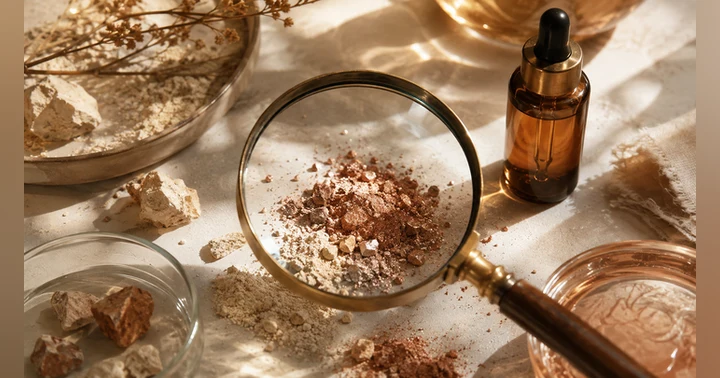
The presence of active compounds (not just ingredient names) determines effectiveness. For example, visible coloration in certain extracts may indicate meaningful concentration.
Practical Tools for Everyday Rosacea Management
Consistency and simplicity often outperform complex routines.
Daily Practices That Make a Difference
- Keep a Trigger Diary
Track food, skincare, environment, and medications to identify patterns. - Use Cooling Tools
Cold mists, ice globes, or chilled compresses can quickly reduce flushing. - Simplify Your Routine
Fewer products = fewer potential irritants. Prioritize function over variety. - Watch for Hidden Irritants
Fragrance, essential oils, and dyes can provoke reactions—even in products labeled “calming.”
A More Thoughtful Approach to Rosacea Care
Rosacea isn’t a condition that responds well to aggressive or one-size-fits-all solutions. It requires observation, restraint, and a deeper understanding of how skin responds to internal and external stressors.
From a dermatologic, cosmetic chemistry, and esthetic perspective, the consensus is clear:
- Calm the skin before correcting it
- Support the barrier before adding actives
- Personalize care instead of following trends
Listen to the Full Conversation
This overview captures just a portion of the discussion. In the full episode, we explore nuanced perspectives on ingredient formulation, clinical considerations, and real-world skincare decision-making.
If you’re navigating rosacea personally—or supporting clients and patients through it—this conversation offers clarity that goes beyond surface-level advice.
Listen, download, and follow Facially Conscious to continue learning how interdisciplinary thinking can transform the way we approach skin health.
Have a question? Send us an email at info@faciallyconscious.co
LIKE, FOLLOW & REVIEW US ON INSTAGRAM, & WHERE YOU LISTEN TO PODCASTS!
Visit our website www.faciallyconscious.com
Linktree | Facially Conscious
Join our new Patreon and Substack for more content from Facially Conscious
Follow Our Hosts On Instagram
Trina Renea - Medically-trained master esthetician and celebrities’ secret weapon
Linktree | Trina Renea, @trinareneaskincare, trinarenea.com and Substack
Julie Falls- Our educated consumer is here to represent you! @juliefdotcom
Dr. Vicki Rapaport -Board Certified dermatologist with practices in Beverly Hills and Culver City @rapaportdermatology and https://www.rapdermbh.com/
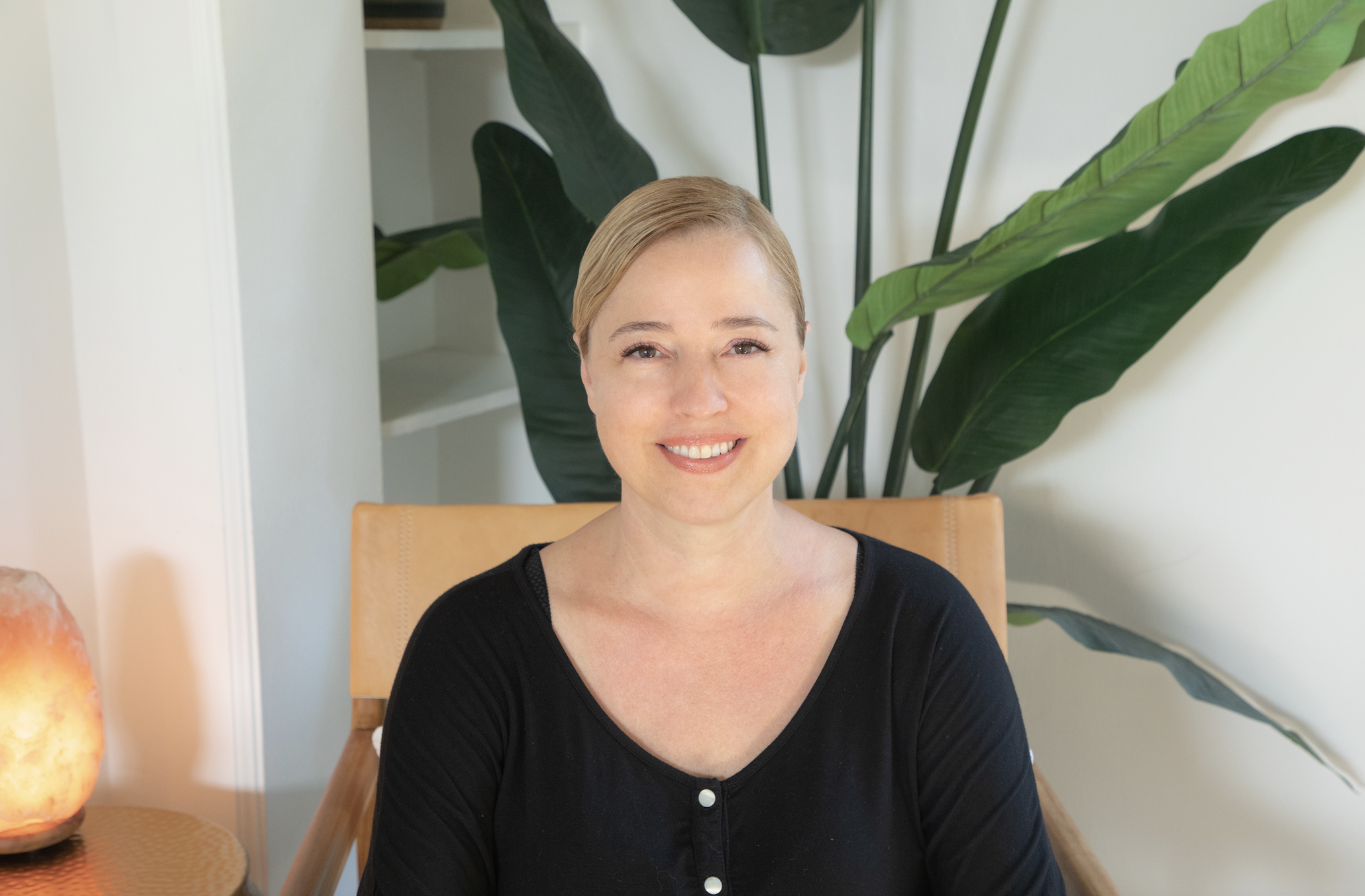
The Skin Master
Co-host | When Trina Renea became an esthetician she realized the key to success was lifelong learning - a goal that sets her apart from most skin care practitioners.
For over 30 years, she’s explored the fields of cosmetic chemistry, medical esthetics, dermatology, and plastic surgery, becoming an expert in a wide expanse of professional skin care brands, equipment, and treatments. She is a member of the Society of Cosmetic Chemists with three certifications in cosmetic sciences from UCLA and continues to attend spa, medical, esthetic, and scientific conferences worldwide.
Now considered a skin master due to her broad expertise, Trina is a consultant to the Southern California beauty industry and medical esthetic community, selecting and training staff, developing treatments, guiding product selection, and helping professionals best serve their clients.
In 2004, she founded the Facial Bungalow, a clinical spa offering advanced skin care technologies where she continues to work one-on-one with clients to this day. In 2008 she created Trina Renea Skincare.
A New Sunscreen Ingredient Is Coming. Is It Actually Better?